
St. Mary’s Island Udupi: Ferry Timings, Basaltic Rocks & Complete Travel Guide
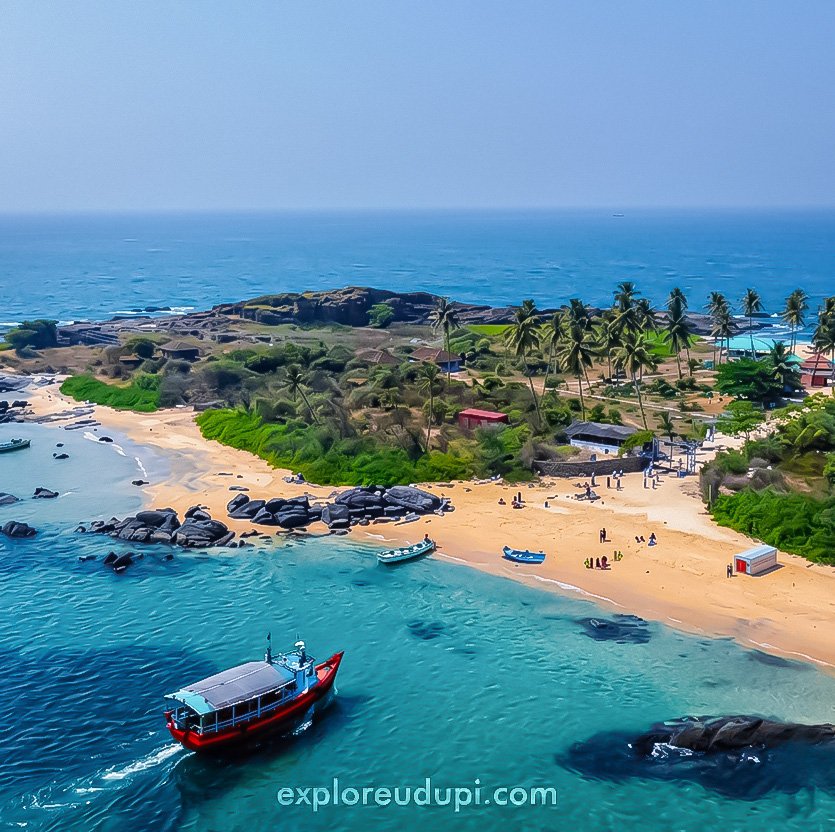
Located just 6 kilometers off the coast of Malpe in the Arabian Sea, St. Mary’s Island (also known as Coconut Island or Thonsepar) is one of India’s most unique geological wonders. Declared a National Geological Monument by the Geological Survey of India, this uninhabited island archipelago is world-famous for its prehistoric, multi-angled columnar basaltic rock formations formed over 88 million years ago during the rift between Madagascar and India.
Featuring crystal-clear turquoise waters, unique shell-covered beaches, and towering hexagonal lava columns, St. Mary's Island is a must-visit destination when exploring coastal Karnataka. This complete travel guide covers ferry schedules, ticket prices, geological history, and essential visiting tips.
At a Glance: Key St. Mary’s Island Travel Details
| Info Parameter | Details |
|---|---|
| Location & Access | 6 km off Malpe Coast (20-minute ferry ride from Malpe Beach/Harbour) |
| Best Time to Visit | October to March (Pleasant weather, clear seas, operational ferries) |
| Ferry Timings | 9:00 AM – 5:00 PM (Subject to sea conditions; Closed during monsoons) |
| Ferry Ticket Fare | Approx. ₹300 – ₹400 per adult (Round trip ferry ticket) |
| Ideal Visit Duration | 3 to 4 hours (including ferry travel and island exploration) |
Top Highlights & Things to Do at St. Mary’s Island
St. Mary’s Island is an nature-focused destination where eco-tourism and geological history take center stage.
1. Marvel at the Prehistoric Columnar Basalt Lava Rocks
The island’s main attraction is its distinctive polygonal (mostly hexagonal) basaltic rock pillars. These vertical columns were created by sub-aerial subvolcanic lava activity millions of years ago, cooling slowly into precise geometric monoliths. Walking among these ancient pillars offers a landscape rarely seen anywhere else in India.
2. Walk Along Seashell Beaches & Clear Turquoise Waters
Unlike standard sandy beaches along the mainland, parts of St. Mary's shoreline are lined with millions of crushed sea shells and coral fragments. Combined with clear, emerald-green water, it provides a stunning tropical aesthetic for travelers and photographers.
3. Enjoy Island Photography & Relaxed Trails
Paved walking paths, wooden gazebos, shade umbrellas, and coconut palm groves are spread across the island. The contrast between deep black basalt rocks, golden shell sands, and blue ocean waters creates incredible backdrops for landscape photography.
4. Water Activities & Coconut Kiosks
During peak tourist months, approved local operators offer limited leisure activities around designated shallow shore zones, alongside kiosks selling fresh tender coconut water and basic packaged snacks.
How to Reach St. Mary’s Island (Ferry Details)
Because St. Mary's is an uninhabited island off the mainland, access is exclusively via government-approved motorboat ferries departing from Malpe.
1. Boarding Points
- Malpe Beach Sea Walkway Jetty: Primary passenger boarding point for tourist ferries.
- Malpe Fishing Harbour Jetty: Secondary boarding location operated during busy weekend queues.
2. Journey Time & Schedules
- Ferry Crossing Duration: Approx. 15 to 20 minutes each way.
- Frequency: Ferries run continuously from 9:00 AM to 5:00 PM as they fill up with passengers.
- Return Policy: Your ferry ticket covers both onward and return journeys. Visitors typically spend 1 to 2 hours exploring the island before taking a return ferry back to Malpe.
Best Time to Visit St. Mary’s Island
| Season | Months | Operating Status & Conditions |
|---|---|---|
| Peak Season | October to February | Best weather conditions. Calm seas, full ferry operations, pleasant sunshine. |
| Summer | March to May | Ferries operate, but days get hot. Early morning ferry rides (9:00 AM – 11:00 AM) are recommended. |
| Monsoon (CLOSED) | June to September | STRICTLY CLOSED. Ferry operations are suspended due to rough sea tides and monsoon heavy rainfall. |
Important Guidelines & Visiting Rules
- Strict Zero-Plastic Zone: St. Mary’s Island is a protected eco-zone. Plastic bags and single-use plastic bottles are inspected at the ferry boarding gate. A refundable deposit or plastic tag system is enforced to ensure no plastic is left on the island.
- No Swimming Danger: Swimming into the ocean surrounding the island is strictly prohibited. The surrounding sea bed features sharp, submerged basalt rocks and steep depth drops.
- Footwear Advice: Wear sturdy sandals or water shoes. Walking barefoot or in thin flip-flops across sharp basalt formations and shell beaches can cause injury.
- No Overnight Stays: There are no hotels, resorts, or overnight accommodations on the island. The last return ferry leaves the island around 5:30 PM.
Frequently Asked Questions (FAQs)
Is St. Mary's Island open all year round?
No, St. Mary’s Island is closed to tourists during the monsoon season (June to September) for safety due to rough sea conditions and high swells.
How much does the ferry ticket to St. Mary's Island cost?
Round-trip ferry tickets typically cost between ₹300 and ₹400 per adult and around ₹150 for children under 10 years old.
Are plastic items allowed on St. Mary's Island?
Single-use plastics are strictly regulated. Security checks at the Malpe ferry jetty inspect bags for plastic items, and visitors must pay a refundable deposit if carrying reusable plastic water bottles.
Can we swim at St. Mary's Island?
No, swimming is restricted and unsafe due to underwater basaltic rock formations and strong tidal currents surrounding the island shore.